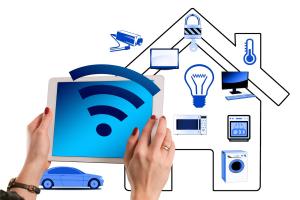
When it comes to home automation, WiFi offers some really cool benefits that can make your life a lot easier. One of the biggest perks is convenience. With WiFi-enabled devices, you can control everything from your lights to your thermostat right from your smartphone. Imagine sitting on your couch and dimming the lights or adjusting the temperature without getting up. It’s all about comfort!
Another major plus is flexibility. With WiFi, you can add new devices to your smart home system without a lot of hassle. Whether it’s a new smart speaker, security camera, or smart lock, as long as it connects to your WiFi, you’re good to go. No need to run new wires or make a mess—just plug in your device and start using it. This makes it super easy to expand your setup over time.
Let’s not forget about remote access! With WiFi home automation, you can keep tabs on your devices no matter where you are. Whether you're at work, on vacation, or just out running errands, you can check if you left the lights on or if that door is locked. Many systems even let you receive alerts if something’s amiss, so you can feel secure knowing you’re always connected.
Lastly, most WiFi devices come packed with user-friendly apps. You don’t need to be a tech expert to get things up and running. These apps often provide helpful tutorials, and many even let you set schedules or create routines. Want your coffee maker to start brewing at 7 AM every morning? Easy peasy! Just set it up in the app, and you’re all set.
Wired Home Automation Advantages
When it comes to home automation, going wired can offer some impressive perks. One of the biggest advantages is reliability. With a wired system, you get a solid connection that’s less likely to drop out or lag. Imagine your lights turning on right when you want them instead of waiting for a WiFi signal to kick in!
Another bonus of wired home automation is security. Wired systems are generally harder for hackers to access compared to wireless setups. This means your privacy is better protected, giving you peace of mind when you're controlling everything from your thermostat to your door locks.
Wired systems tend to be faster, too. If you're running multiple devices at once, a wired network can handle the load a lot better than WiFi. This is especially important for things like security cameras streaming video or smart appliances that need a constant connection.
Lastly, once you have a wired system in place, there's less worry about interference from other devices. With WiFi, things like microwaves or other electronics can disrupt your signal. With a wired setup, you won’t have to deal with those pesky interruptions.
Comparing Speed and Reliability
When it comes to home automation, both WiFi and wired connections have their own vibes. Speed and reliability play a huge role in making sure everything runs smoothly. Let’s take a closer look at how they stack up against each other!
WiFi is all about convenience. It allows you to easily connect devices without the hassle of cables. If you’ve got a good router and your connection is strong, WiFi can be pretty speedy. Streaming music, controlling lights, or adjusting your thermostat can all happen in just a few clicks. But, keep in mind that if you’re in a large house or have thick walls, you might run into dead zones where the signal drops. So, it’s like having a fast car that you can’t drive everywhere!
On the other hand, wired connections are like a solid road that takes you straight to the destination without any bumps. With Ethernet cables, you get a stable and reliable connection, which is great for devices that need to stay online all the time, like smart security cameras or home hubs. They won’t be affected by interference from other devices or walls, meaning fewer surprises when you try to use them.
In general, if speed is your top concern and your setup is small, WiFi might be your go-to. But for a rock-solid, reliable connection, especially for devices that can’t afford to lag, wired is the way to go. It really depends on what you need for your home! The good news is that many people end up using a mix of both to get the best of both worlds.
Choosing the Right Option for You
When it comes to setting up your home automation, one of the first choices you face is whether to go with WiFi or wired options. Both have their perks, and the right pick really depends on your specific needs and living situation. Let's dive into the main differences to help you decide.
WiFi is super convenient and perfect for those who want flexibility. You can easily connect devices like smart bulbs, cameras, and speakers without running wires all over your home. If you're in a rental or like to change things up often, WiFi is a great choice. Just make sure your router is up to the task to handle multiple devices without slowing down!
On the other hand, wired connections offer a bit more reliability. If you live in a larger home or have a lot of gadgets, going wired can reduce interference and improve response times. It also minimizes the chances of disconnects that can occur with WiFi, especially if your signal isn’t strong enough in certain areas.
Here are a few things to consider as you choose:
By weighing these factors, you'll get a clearer picture of which option is a better fit for you and your home automation goals! Whether you opt for WiFi or wired, the goal is to create a seamless and enjoyable smart environment for your home.